ISBN:9789863445029
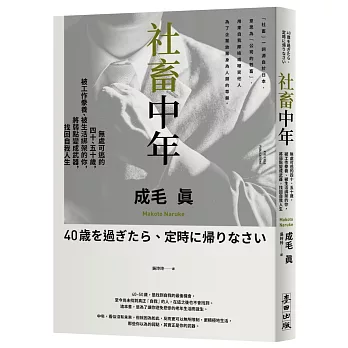
「資本主義的社會中,沒有成為資本家的人,都是失敗者」。光是句短短的文字,就吸引我一頭埋入這本像是作者針對中年人生涯規劃的另類指導手冊。
身為坐三望四的上班族,一邊閱讀著前半章節的內容時,一邊也默默認同作者言之有理。就如同日劇
《月薪嬌妻》中著名的台詞所說「逃避不能解決問題,但是有用」一般。中年人,在不能改變大環境的情況下,消極而自我的活下去,不也是生命自己找到的唯一出路?
在後半節章的內容,卻是令人惋惜地有部份和前面說法相互衝突的論述。例如「中年人的武器,沒有未來」,所以更能不顧一切地向目標前進。這完全和「所謂的中年,更是要緊抱著公司不放」相對立呀!
簡而言之,這是本開始和結尾論點讓人感到困惑的書藉。更明白地說,其實是本作者針對有著中年危機的讀者們,所撰寫的生活指導手冊。至於前後說法不一的問題,就不曉得是原作者的思維轉換還是單純的翻譯缺失。值不值得購買,真的見人見智,但它確實帶給我短暫而愉快的閱讀時光。
“In a capitalist society, anyone who has not become a capitalist is a failure.” This short sentence alone drew me headfirst into this book, which reads like an unconventional guide to midlife career planning.
As a salaried employee approaching my late thirties, I found myself quietly agreeing with the author while reading the first half. It reminded me of the famous line from the Japanese drama We Married as a Job: “Running away doesn’t solve the problem, but it works.” For middle-aged people, when the broader environment cannot be changed, isn’t living passively and self-protectively simply the only way life finds to go on?
However, the latter half of the book is regrettably marked by arguments that partially contradict the earlier claims. For example, it states that “the weapon of middle-aged people is that they have no future,” and therefore they can charge toward their goals without hesitation. This directly conflicts with the earlier idea that “being middle-aged means you should cling tightly to your company.”
In short, this is a book whose opening and concluding arguments feel confusing. More plainly put, it is essentially a life guide written for readers experiencing a midlife crisis. As for the inconsistencies, it’s unclear whether they stem from a shift in the author’s thinking or simply from translation issues. Whether it’s worth buying is subjective, but it did provide me with a brief and enjoyable reading experience.